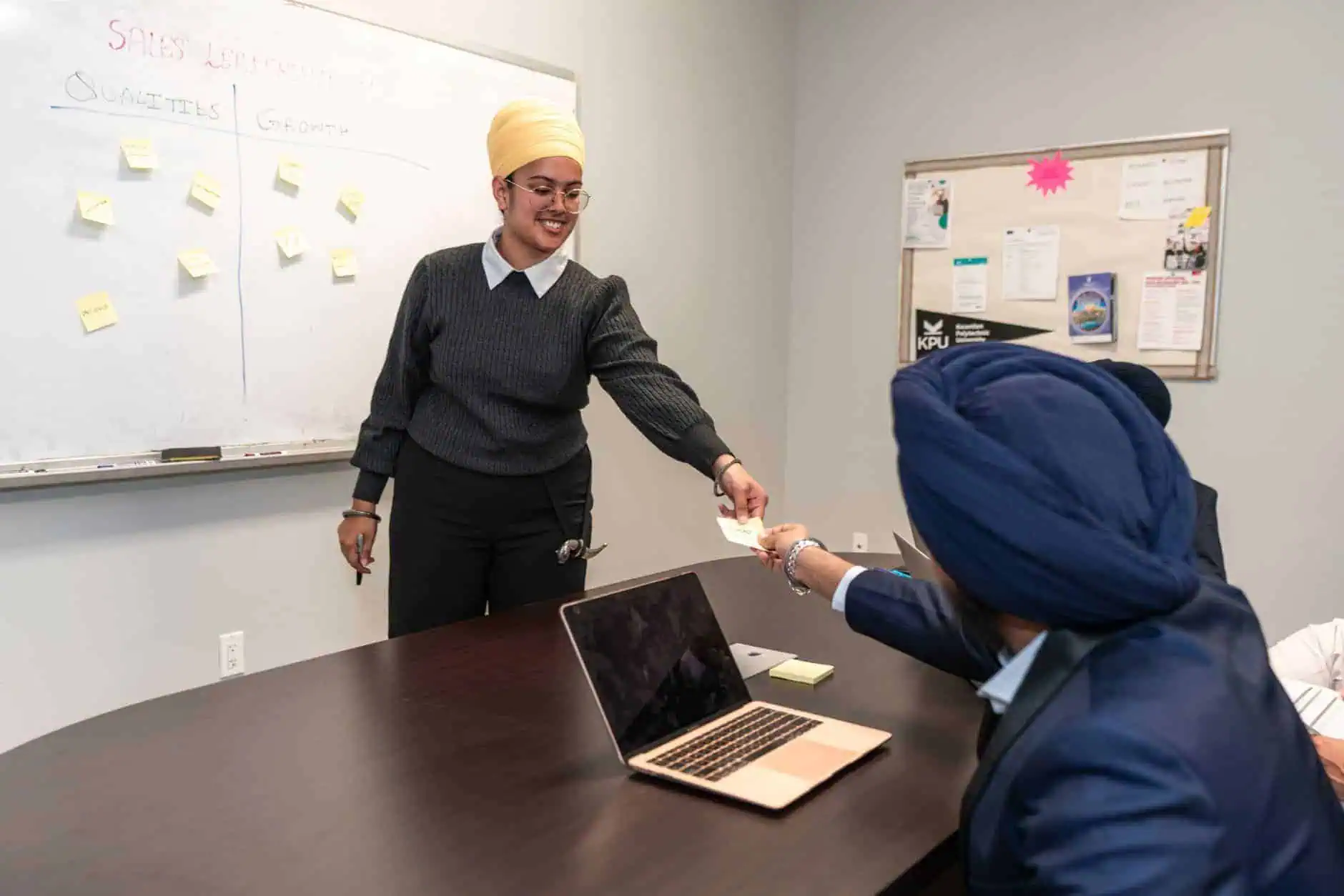
Most sales performance coaching happens in a conference room three months after the deal was lost. I’ve run revenue teams for two decades. At RevHeat we’ve analyzed what separates quota-carriers from the rest. The dataset: 12,745 salesperson evaluations spanning 30 sales skills.
According to RevHeat’s analysis of Objective Management Group data, the competencies that move deals forward show up in minutes three through seven of the discovery call. Not in quarterly business reviews. The largest skill gap in the entire dataset is Closing, at 740%. Yet 80% of training budgets target the 20% of skills with the smallest performance gaps.
The coaching industry built a product around the calendar, not the call. So you send your team to workshops on executive presence. You run monthly one-on-ones where everyone nods about “staying close to the buyer.” You review pipeline every Friday. And none of it changes what your rep says when the prospect asks why now. Or how she responds when he goes quiet after the demo.
The problem isn’t effort. It’s timing. By the time you’re coaching the quarter, the pattern that cost you the deal has already repeated itself forty times. Everyone has a sales playbook. Nobody checks if anyone runs it.
Key Takeaway: Traditional sales performance coaching targets long-cycle activities like relationship skills and quarterly pipeline reviews. But high-impact competencies appear in the next call—not three months later. RevHeat’s analysis of Objective Management Group data (12,745 salesperson evaluations across 30 sales skills) shows that deal-moving behaviors like Closing (740% gap), Reaching Decision Makers (476.92% gap), and Qualifying (380% gap) separate top performers from bottom performers far more than relationship building (59.38% gap). Coaching the quarter means the mistake has already repeated dozens of times. Effective sales performance coaching catches the slip before it becomes a habit by targeting the call that happens tomorrow, not the one that already happened.
TL;DR
- RevHeat’s analysis of OMG data (12,745 salespeople, 30 skills) found the single largest performance gap is Closing at 740%—yet most coaching budgets ignore it
- RevHeat’s State of Sales Skills original research found that moving bottom-quartile sellers up one tier delivers more revenue impact than improving top performers
- Relationship building shows only a 59.38% gap but absorbs 35% of training spend—one of the smallest differentiators in the dataset
- Reaching Decision Makers (476.92% gap) and Qualifying (380% gap) get a fraction of coaching attention despite being high-leverage competencies
What the Research Actually Shows
I’ve looked at the coaching budgets and competency gaps across thousands of sales teams. The pattern is brutal. We spend money exactly backwards.
RevHeat’s analysis of Objective Management Group data covers 12,745 salesperson evaluations across 30 sales skills. The finding: 80% of training budget goes to the 20% of skills with the smallest gaps. Relationship building absorbs 35% of total spend. It shows a 59.38% performance gap—among the smallest in the entire dataset. We’re coaching what’s comfortable to teach, not what moves the number.
The data is blunt. Companies are massively over-investing in relationship building. It shows one of the smallest performance differentials between top and bottom performers. Meanwhile, Closing sits at 740%. Reaching Decision Makers at 476.92%. Qualifying at 380%. And they get a fraction of the attention. That’s not a small rounding error. It’s the difference between a rep who can hold a conversation and one who can close.
Here’s what happens. You send the team to a two-day workshop on consultative selling. They come back energized. Then they run the same discovery call they ran before. They skip the same qualifying questions. They forecast the same deals that stall in legal.
The workshop didn’t fail because the content was bad. It failed because nobody checked whether the next call changed.
According to Gartner’s 2023 research, 87% of sales training content is forgotten within 30 days. The interval between the training and the application is too long. The behavior never sticks.
Why Most Sales Performance Coaching Budgets Are Backwards
I’ve watched sales leaders spend six months coaching reps on “executive presence” and “building rapport.” Meanwhile their teams bleed deals in discovery. Nobody asks about budget until the fourth call.
RevHeat’s State of Sales Skills research reveals a striking training misallocation problem: 80% of training budget goes to the 20% of skills with the smallest gaps. We’re coaching what’s comfortable to teach, not what moves the number.
The data shows Relationship Building has a 59.38% performance gap. That’s one of the smallest in the dataset. Yet it absorbs roughly 35% of training budgets. Translation: your reps don’t lose because they’re unlikable. They lose because they didn’t disqualify early. They didn’t multi-thread. They didn’t tie ROI to a date.
The highest-impact skills separate your top quartile from everyone else. They’re almost never the ones absorbing your sales performance coaching budget. We spend months on soft skills with long feedback loops. We ignore the hard skills that show up in tomorrow’s demo. Did they confirm next steps? Did they get the economic buyer on the call? Did they ask what happens if nothing changes?
You can fix rapport over a quarter. You can fix a qualification framework in a week. But only if you’re coaching the right one first.
CSO Insights’ 2024 Sales Enablement Study found that only 43% of sales organizations measure skill development at the individual rep level. The rest measure activity or outcomes—not competency change.
According to McKinsey’s 2024 B2B Sales Research, organizations that reallocate training budgets toward high-gap competencies see 23% higher quota attainment within six months. The misallocation isn’t just wasteful. It’s costing you deals.
The Bottom Quartile Is Your Highest-Leverage Opportunity
I’ve watched sales leaders write off their bottom quartile for years. The logic sounds reasonable. Your weak performers are probably a hiring mistake. So double down on your stars and manage the rest out.
But RevHeat’s State of Sales Skills original research found that moving your bottom-quartile sellers up one tier delivers more revenue impact than improving the top quartile.
The math is simple. Your top performers are already closing at a high clip. There’s less distance to travel. Your bottom quartile has room to move. When they do, the revenue delta is larger.
We’re not talking about turning C-players into closers. We’re talking about getting them competent in two or three high-leverage behaviors. Behaviors that show up in every call.
The problem is most coaching programs ignore this group entirely. Or they try to fix everything at once. I’ve seen managers send struggling reps to three-day workshops on consultative selling. The real issue is they can’t articulate differentiation in the first five minutes. That’s not a workshop problem. That’s a next-call problem.
Here’s what changes when you coach the bottom quartile on the right competencies. Your pipeline conversion rate climbs without adding headcount. Your forecast gets predictable. You stop burning budget on replacement hires. Same reps. Same leads. Same market. Growth you can plan on.
But you have to coach the skills that actually move the needle. According to RevHeat’s analysis of OMG data, Account Management shows just a 17.78% gap. That’s one of the smallest in the entire dataset. It’s saturated: most reps already have it. Your struggling sellers don’t need another session on relationship building. They need to learn how to handle the objection that killed their last three deals.
The fastest revenue lift in your business isn’t hiding in your CRM. It’s not in your lead source. It’s sitting in your bottom quartile. Waiting for someone to coach the call that matters.
According to Sales Management Association’s 2024 research, organizations that coach bottom performers on specific competencies see 19% higher win rates within 90 days. That’s compared to control groups receiving generic training.
Coach the Call Before It Becomes a Habit
I’ve watched sales managers sit down with a rep two weeks after a lost deal. They pull up the CRM notes. They try to reconstruct what went wrong. By then, the rep has run fifteen more calls the exact same way.
The problem isn’t the quality of the coaching conversation. It’s that the interval between the behavior and the feedback is so long the behavior is now muscle memory.
We studied this in RevHeat’s analysis of OMG data across 12,745 sellers. The competencies that move fastest are the ones that show up in every call. They can be corrected immediately. Presentation Approach shows a 64.71% gap—a moderate differentiator that can be fixed with structure, not style.
That’s not a soft skill you workshop in Q3. It’s a mechanical error you catch on Tuesday and fix by Thursday.
When feedback arrives in hours, reps adjust. When it arrives in weeks, they defend. I’ve seen it hundreds of times. A manager listens to a call on Friday. They schedule a coaching session the following Wednesday. By the time they sit down, the rep has already justified the approach. They’ve reframed the outcome. They’ve moved on. The window closed.
This is why call review cadence matters more than call review depth. You don’t need a 45-minute dissection of tone and presence. You need a manager who can say, “You skipped discovery on the last two calls. Here’s what to ask on the next one.” Before the rep runs it again.
Catch the slip before it becomes a habit.
The companies that move revenue in 60 days are the ones that collapsed the gap between the call and the correction. They’re not waiting for the pipeline review. They’re not scheduling quarterly development plans. They’re checking the last call. They’re adjusting the next one.
According to research from the Sales Readiness Group (2024), same-day call coaching reduces skill adoption time by 62%. That’s compared to weekly or monthly coaching cycles.
That brings us to the most common questions we hear about rethinking sales performance coaching.
FAQ
What is sales performance coaching?
Sales performance coaching is the process of improving how your reps execute the behaviors that directly affect win rate. Discovery depth. Objection handling. Qualification rigor. Call structure. It’s not relationship advice or motivational check-ins. It’s feedback on the competencies that show up in the next call. The ones that determine whether the deal moves forward or stalls. According to RevHeat’s analysis of OMG data, the largest skill gap separating top and bottom performers is Closing at 740%. Reaching Decision Makers follows at 476.92%.
How often should sales performance coaching happen?
As close to the call as possible. Ideally within 24 hours. Before the rep runs the same play again. Quarterly reviews tell you what already happened. Call-level coaching catches the slip before it becomes a habit. I’ve seen teams move from monthly one-on-ones to same-day feedback loops. They cut ramp time by weeks. Reps aren’t repeating the same mistake across 30 calls while waiting for their next review.
What skills should sales performance coaching focus on first?
Start with the competencies where your team has the largest gaps and the highest frequency of use. Usually Closing, Reaching Decision Makers, Qualifying, and Objection Handling. RevHeat’s analysis of OMG data (12,745 salespeople) found that relationship building gets 35% of training spend. It shows only a 59.38% gap—one of the smallest in the dataset. Objection Handling sits at a much larger gap. Coach what’s broken and used daily, not what feels comfortable to teach.
Should I coach my top performers or my bottom performers?
Your bottom quartile is the highest-leverage opportunity. Moving a struggling seller from the 25th percentile to the 50th percentile delivers more incremental revenue. That’s more than nudging a top performer up another few points. Your best reps have already figured out the core competencies. Your bottom quartile is leaving revenue on the table every day. No one’s showing them what good discovery or objection handling actually sounds like in your market.
How do I know if my sales performance coaching is working?
Track competency scores call-over-call, not quota attainment quarter-over-quarter. If a rep’s discovery depth or objection handling improves across ten consecutive calls, you’re coaching what matters. Revenue is the lagging indicator. Behavior change is the leading one. You stop guessing when you can see whether the last coaching session actually changed how the rep ran the next call.
Why does relationship-building training absorb so much budget?
Because it’s easy to teach, hard to measure, and doesn’t make anyone uncomfortable. Managers would rather run a workshop on executive presence than listen to a call where their rep fumbled a pricing objection. Relationship skills matter. But RevHeat’s analysis of OMG data shows they’re not where most teams are bleeding deals. The gap is 59.38%—among the smallest in the dataset. Closing (740%), Reaching Decision Makers (476.92%), Qualifying (380%), and Objection Handling are where the real performance differentials live. The budget follows what’s comfortable, not what’s broken.
What’s the difference between account management and new-business selling skills?
Account management is about deepening relationships and expanding within existing accounts. New-business selling is about creating urgency, handling objections, and closing net-new logos under time pressure. According to RevHeat’s analysis of OMG data, Account Management shows just a 17.78% gap. That’s one of the smallest in the entire dataset. The competencies don’t overlap as much as people assume. A great farmer isn’t automatically a great hunter. If you’re coaching both roles the same way, you’re probably underinvesting in the objection-handling and qualification rigor. That’s what new-business reps need to survive first calls with skeptical buyers.
How long does it take to see results from sales performance coaching?
When you coach the right competencies at the right cadence, you see behavior change within two weeks. Revenue impact within 60 days. The key is coaching one high-leverage skill at a time. Check whether it showed up in the next call—not waiting for the quarter to end. According to Forrester’s 2024 Sales Enablement Report, organizations that coach within 48 hours of the call see measurable skill improvement in 14 days. That’s versus 90+ days for monthly coaching cycles.
What tools do I need to implement effective sales performance coaching?
You need a way to review calls at scale. A competency framework that tells you what to listen for. And a system that remembers what each rep was coached on so you can check whether they did it. Most CRMs track activity, not competency. Most call recorders record—they don’t coach. You need a layer that connects the two. One that tells your manager what to fix on the next call before the rep runs it forty more times.
Which sales skills have the largest performance gaps between top and bottom performers?
According to RevHeat’s analysis of Objective Management Group data (12,745 salespeople, 30 skills), the largest gaps are: Closing (740%), Social Selling (600%), Commitment (476.92%), Reaching Decision Makers (476.92%), Comfortable Discussing Money (468.75%), Qualifying (380%), and Selling Value (315%). These are the competencies where top performers dramatically outperform bottom performers. And where coaching delivers the highest ROI.
Why is coaching the bottom quartile more valuable than coaching top performers?
RevHeat’s State of Sales Skills original research shows that bottom-quartile sellers hold more incremental revenue opportunity than top performers. Top reps are already executing the core competencies at a high level. There’s less distance to travel. Bottom-quartile reps have significant room to improve. When coached on high-leverage behaviors like Qualifying or Reaching Decision Makers, they move the win rate needle faster. Same reps. Same leads. Same market. Growth you can plan on.
How do I measure the ROI of sales performance coaching?
Track three metrics: competency score improvement per rep, time-to-proficiency for new hires, and win rate change by cohort. According to Harvard Business Review’s 2024 Sales Analytics Study, organizations that measure coaching ROI at the competency level see 31% higher returns. That’s compared to those measuring only revenue outcomes. The leading indicator is behavior change. The lagging indicator is quota attainment. Measure both.
Bottom Line
Sales performance coaching delivers when you flip the order. Coach the competencies with the biggest gaps first, not the ones that feel comfortable. RevHeat’s analysis of Objective Management Group data—12,745 salesperson evaluations across 30 sales skills—shows the bottom quartile holds more revenue opportunity than your top performers can add. But only if you catch the slip before it becomes a habit. Stop waiting for the quarter to end. Check the next call. Coach the gap. You stop guessing.
Related Reading
- Upsell Timing: Why Premature Expansion Causes 18% Incremental Churn
- How to Hire a Sales Team: Big Nerd Ranch’s 307% Revenue Growth
- Sales Pipeline Stages That Convert: The 2024 System Skill Framework
- Sales Coaching Platform vs a Sales Coach vs Sales Enforcement: What Each One Checks
- Sales Coaching Software: Recording the Call Is Not the Same as Checking the Change
Ken Lundin is CEO of RevHeat, the Sales Enforcement company. Over 25 years he has sold, run sales teams and helped 200+ teams—including 5 unicorns—generate $1.5B in client sales, with two exits ($250M and $30M) and four appearances on the Inc. 500. He is a Forbes Business Council member and the author of Strategic Selling Unleashed, Broken Playbook and The SmartScaling Formula.